Tencent's AI office platform WorkBuddy has integrated StepFun's flagship Step 5 Preview model, offering users exclusive free access for two weeks. The MoE model features 600 billion total parameters with 27 billion active per token and ranks among the top three open-source models globally on Artificial Analysis.
Zhipu AI has begun limited grayscale testing of GLM-5.3-Highspeed on its Zcode platform, with a user reporting output speeds up to 490 tokens per second — more than double the previous GLM-5.3-FlashX variant. The model remains in random subscriber rollout and is not yet generally available.
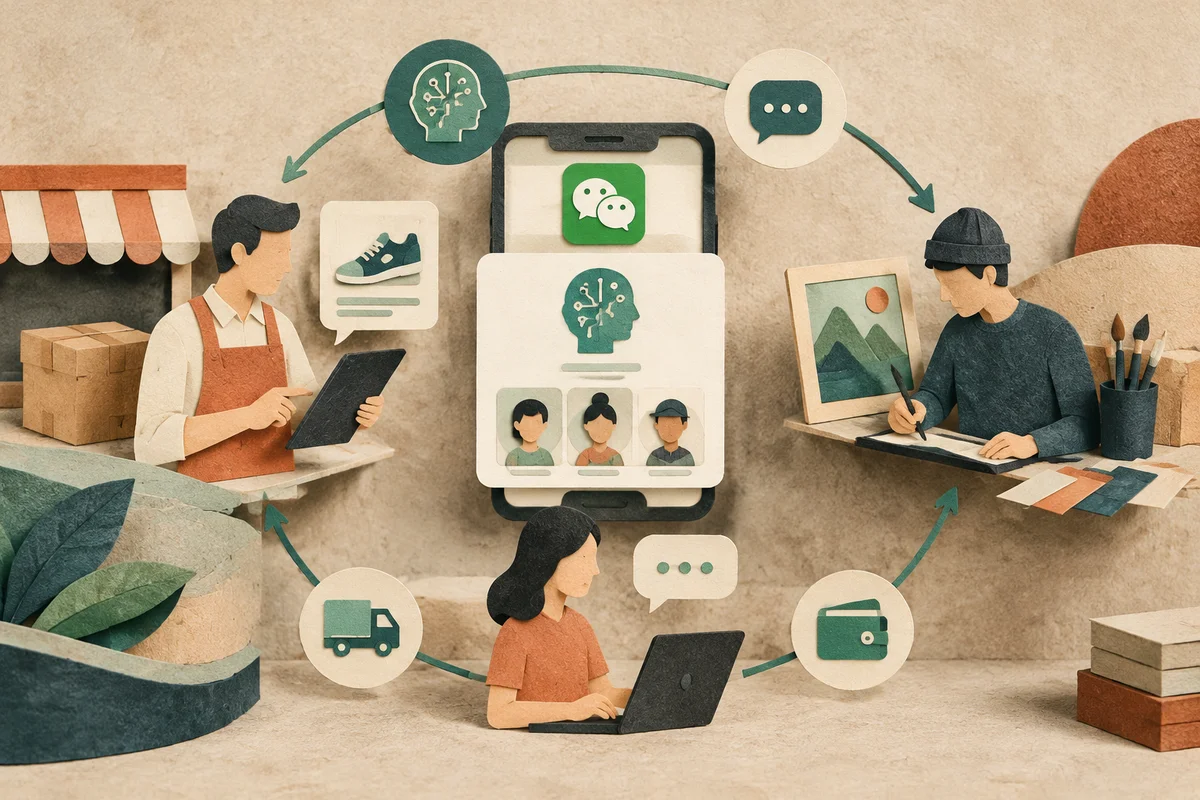
Tencent has launched Penguin Weidan, an AI-powered service matching platform within the WeChat ecosystem that connects e-commerce merchants and content creators with AI-skilled artisans. The platform handles intelligent matching, three-party communication, and in-app settlement, aiming to solve the monetization challenge facing individual AI creators in China.
Ant Group has opened small-scale beta testing for a major upgrade to its Lingguang AI product, transforming it from a basic chat and app-generation assistant into an AI-native personal agent with long-term memory and proactive cross-app task execution. The new version uses Skill and MCP to operate across Chinese platforms like DingTalk and smart home devices, positioning it against Meta's recently launched Muse agent.
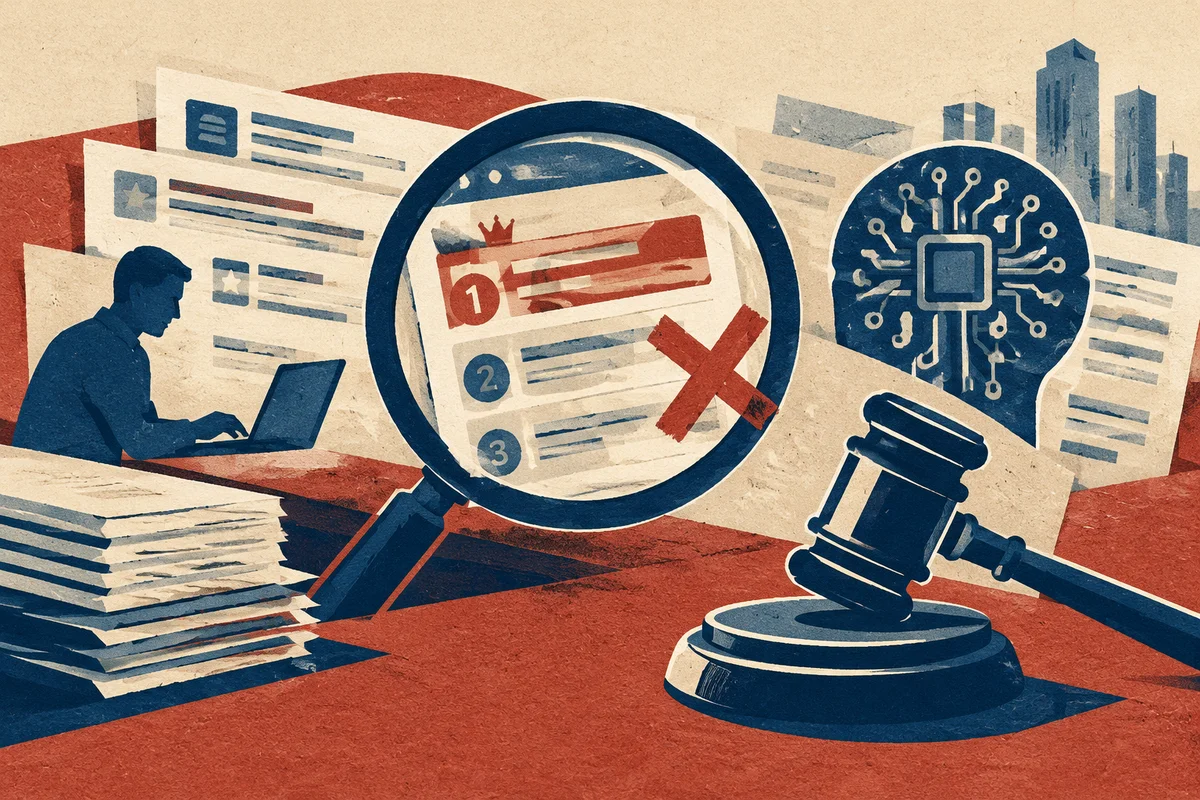
Shenzhen's market supervision bureau has fined a generative engine optimization service provider 50,000 RMB for fabricating industry rankings and extracting AI platform inclusion standards to manipulate model outputs, marking active Chinese regulatory enforcement against AI output manipulation under anti-unfair competition law.
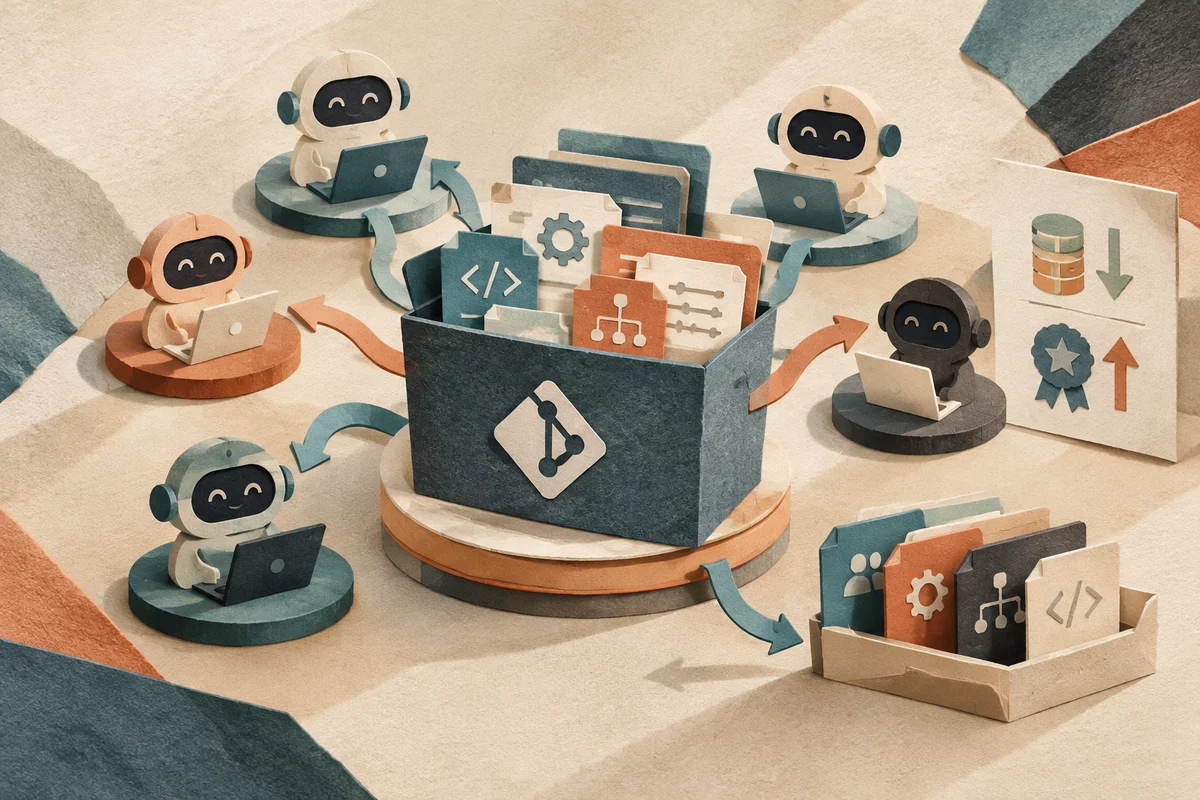
Tencent Cloud has open-sourced TeamAI, a Git-based collaboration tool that lets teams version-control AI agent skills, workflows, and configurations like code. Supporting 16 coding agents including WorkBuddy and CodeBuddy, the tool enables shared team knowledge to be reviewed, merged, and automatically synced across members. Internal testing showed a 76% reduction in model costs and a 6.1% quality improvement when lower-cost models accessed shared team knowledge.