Models
Hong Kong AI team reports local-language adoption across public services
A new Xinhua report examines how HKGAI is adapting language models for Hong Kong residents and government services, rather than announcing a new model release.
A developing picture of China’s AI, one story at a time.
A new Xinhua report examines how HKGAI is adapting language models for Hong Kong residents and government services, rather than announcing a new model release.
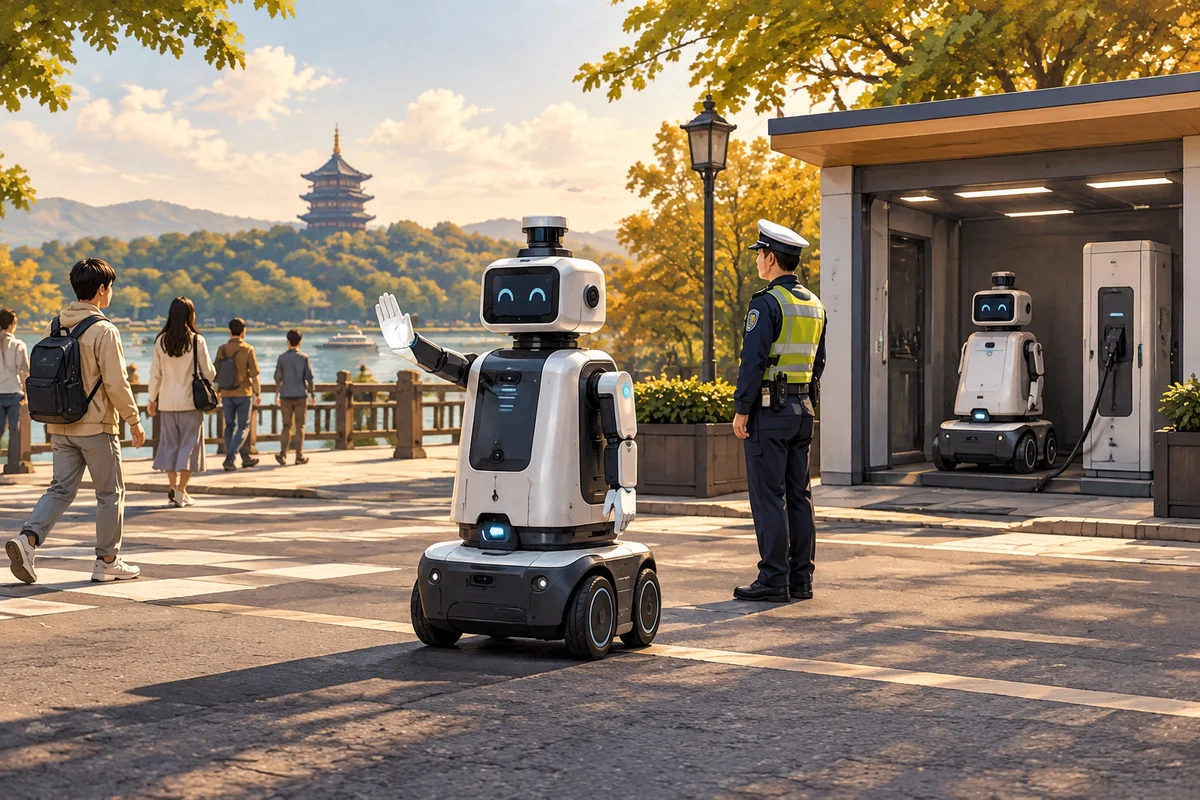
A Hangzhou Daily report describes upgrades to existing AI traffic robots and new charging booths during the holiday, with officers continuing to work alongside the machines.
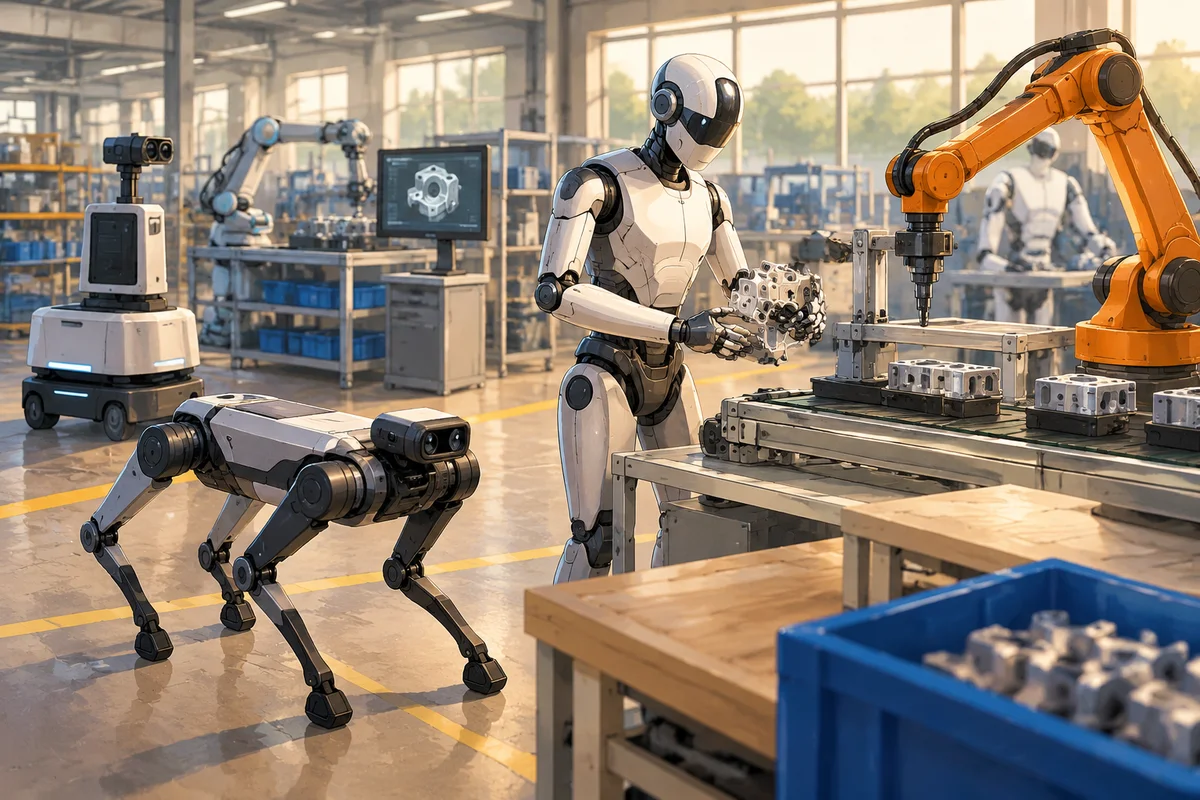
China Youth Daily reports that a launch in Kunshan presented 12 robotics products aimed at workplace tasks, including inspection and manufacturing.
An October 4 People’s Daily commentary includes AI smartphones and agent services among areas for encouraging consumption. It is an argument about domestic demand, rather than a new subsidy announcement.
Huawei's open-source AI agent platform openJiuwen has released X-Router, a self-evolving model routing engine designed to dynamically assign agent tasks to the most cost-effective model without sacrificing quality. Benchmarked on PinchBench, X-Router reduced inference costs by 44.6% while maintaining near-baseline task scores, demonstrating practical progress in China's domestic AI agent infrastructure.
Tencent's WorkBuddy reached 11.37 million monthly active users in August, becoming the first office-AI agent product in China to cross the 10 million threshold, according to Xsignal data reported by Jiemian News. While early movers ByteDance Coze and iFlytek Tingjian lost users, Baidu Dazi and Alibaba Qwen Office surged. The shift reflects a strategic pivot by China's tech giants toward office AI agents as the next platform entry point, though engagement metrics suggest user retention remains an open challenge.