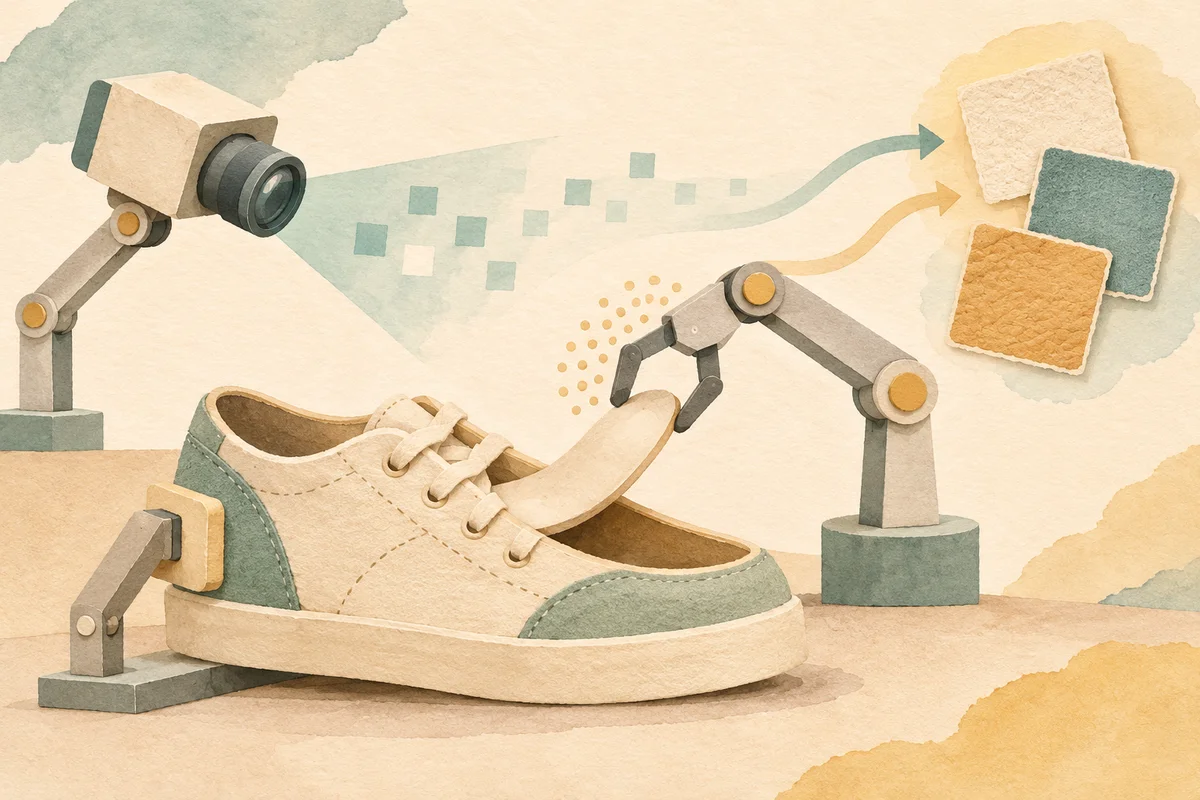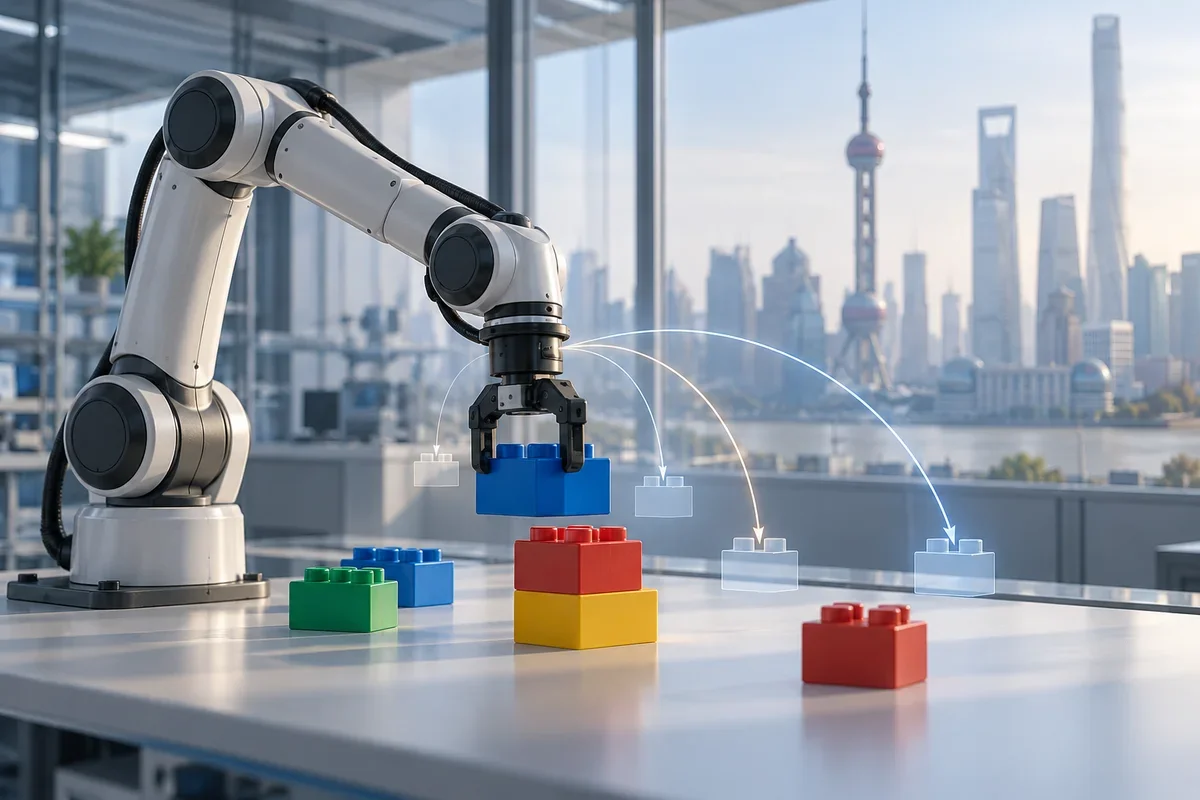
- GO-3 Preview uses WRAM to connect reasoning, prediction and actions.
- The company plans full open sourcing by year-end; performance examples remain company claims.
A model spanning learning stages
Agibot introduced GO-3 Preview on October 29, according to a bylined IT Home report published on October 30. The company describes a World Reasoning Action Model, or WRAM, architecture that connects task reasoning, future prediction and executable robot actions.
The report says the model learns from first-person human video and robot trajectories. It distinguishes pretraining, post-training and learning after deployment, rather than presenting a robot's initial training as the end of development.
Company demonstrations and availability
Agibot says the model can tackle some unfamiliar household and kitchen tasks without additional fine-tuning, while more complex tasks use demonstrations or further training. Examples include preparing a Chinese crepe and assembling Lego pieces. These remain reported company demonstrations, rather than independent validation of general-purpose capability.
For post-training, the company describes Genie Evolver, combining physical robots, simulation and world models. The report also discusses deployment-time improvement through the previously introduced Genie Master framework. Agibot plans a full open-source release by the end of 2026; the preview report does not mean all model assets are already available.
Sources & context
Go to the original material. Company claims remain attributed to their sources.
01