- The reference architecture was published in September, rather than newly issued on November 7.
- The committee's stated remit excludes human implants and medical application standards.
A framework for brain-computer interfaces
IT Home's November 7 explanation identifies the China-led brain-computer interface reference architecture as ISO/IEC 27572:2026, an 18-page international standard published in September. Its coverage follows a CCTV report based on information obtained from China's standards authorities on November 6.
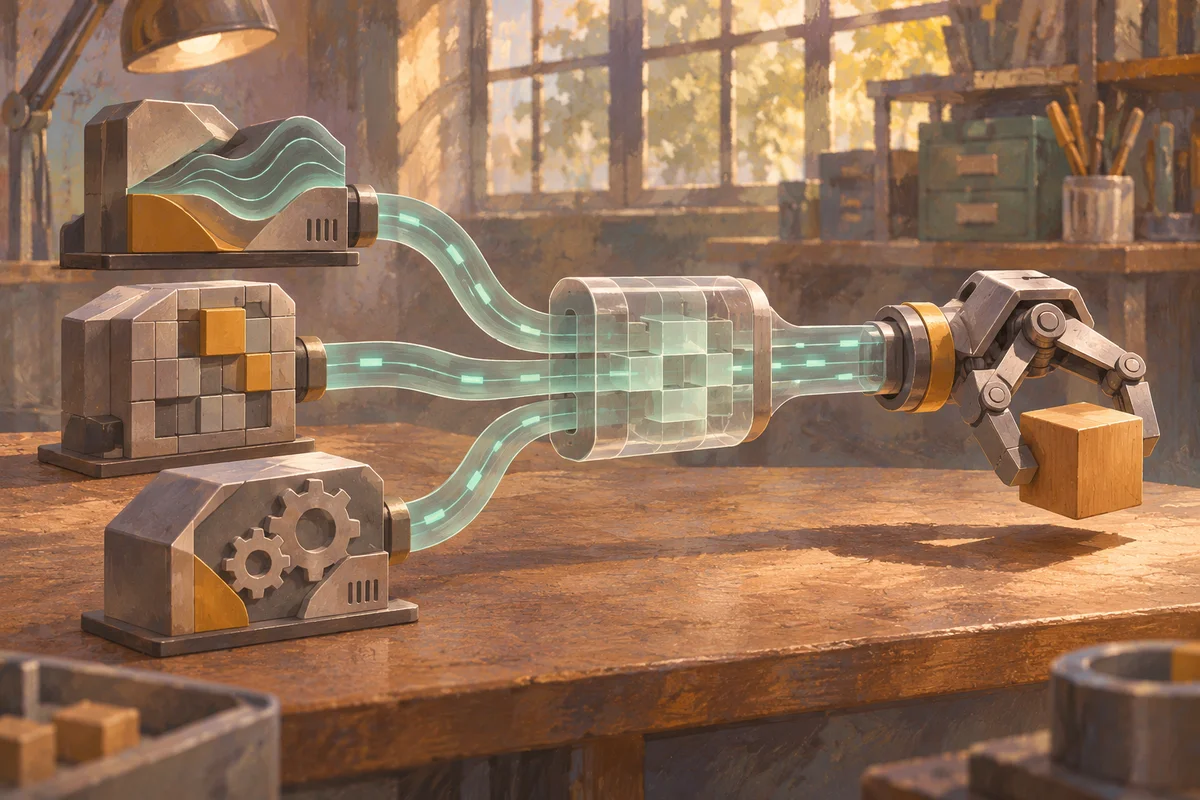
The architecture organises four questions: what a brain-computer interface is, how it is used, what functions it provides and how it is implemented. Drafting expert Pan Gang described incompatible components and data formats as an obstacle to building an industry spanning multiple manufacturers.
Scope and related standards
The report's additional background places the document under ISO/IEC JTC 1/SC 43, the brain-computer interfaces subcommittee formed in March 2022. Its remit covers information-technology standardisation while explicitly excluding human implants and medical application standards.
IT Home also links the architecture to earlier terminology and use-case documents. It identifies Pan as a Zhejiang University professor researching brain-computer interfaces and brain-inspired computing. This is a technical framework and explanation of its scope, rather than evidence that a particular robot or clinical application has been validated.
Sources & context
Go to the original material. Company claims remain attributed to their sources.
01