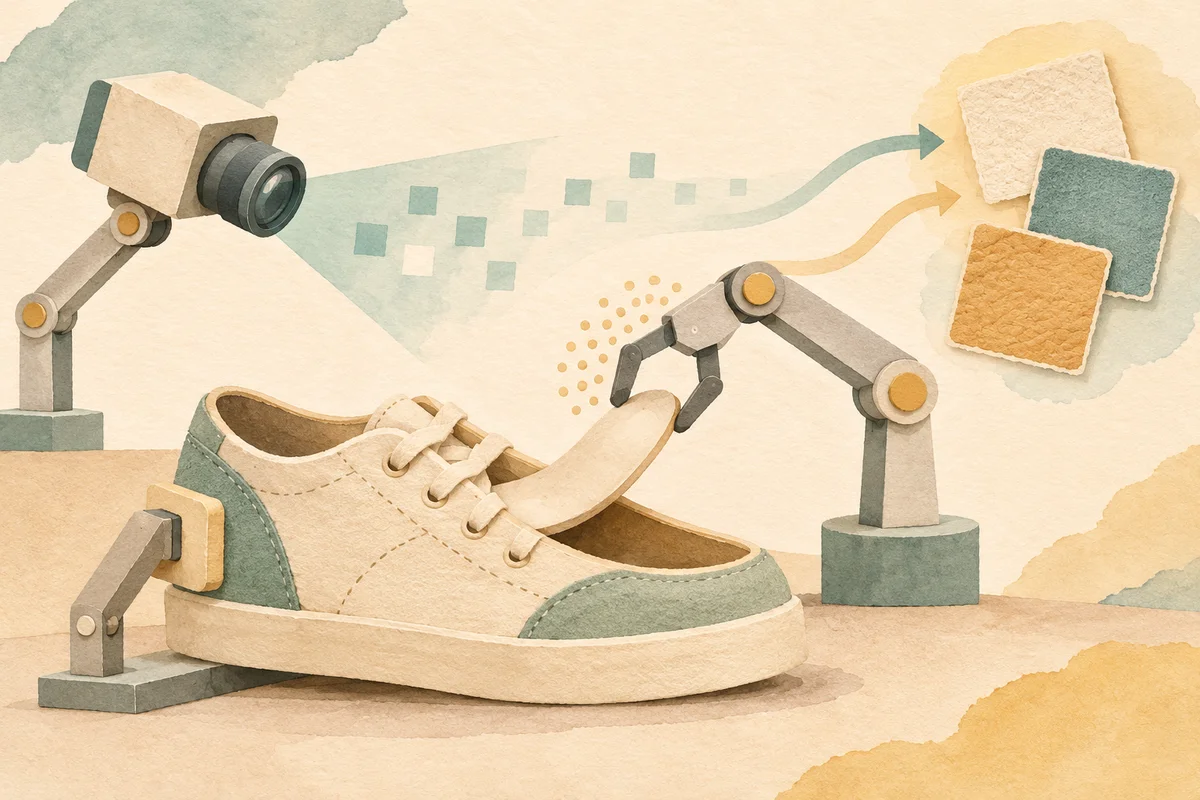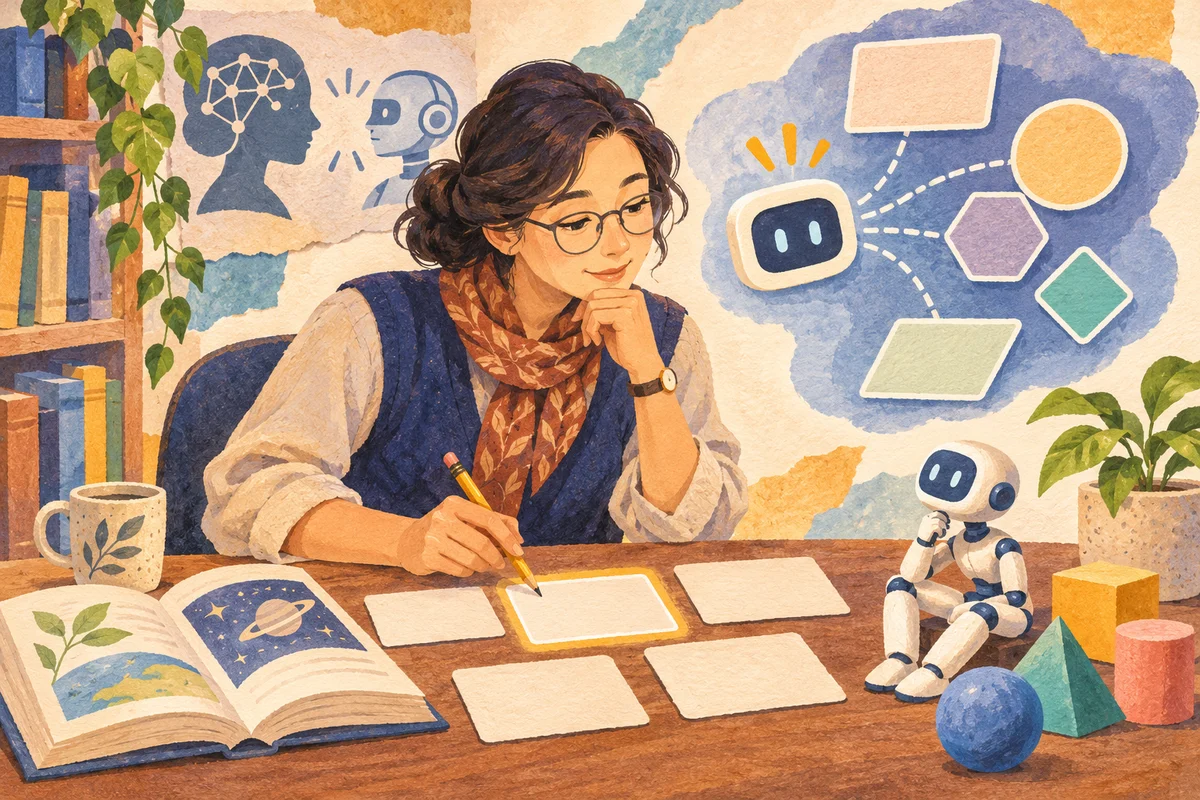
- The November 7 list includes AI agents, tokens, humanoid robots, embodied intelligence and brain-computer interfaces.
- Its explanation of human-machine collaboration keeps scientific judgment and quality control with the creator.
AI dominates the annual selection
中国科普作家协会, China's science writers' association, released its ten annual science-popularization terms on November 7, according to IT Home. Seven AI-related entries are AI+, human-machine collaboration, brain-computer interfaces, agents, humanoid robots, tokens and embodied intelligence.
The other three entries are scientific toys, technology ethics and health management. The accompanying explanation links the AI vocabulary to new public knowledge needs as the technology enters production and everyday life, and presents emerging technologies as subjects for public understanding.
Definitions retain human responsibility
The list's account of human-machine collaboration divides responsibilities between people and intelligent systems. People supply goals, contextual understanding, value judgments and creativity; systems support information processing, content generation and automated execution. In science communication, creators retain responsibility for scientific judgment and quality control.
Its token entry describes the units models process and generate, and their role in measuring service usage and costs. The embodied-intelligence entry says robots are an important carrier but need not be humanoid. Inclusion on this vocabulary list does not itself establish any product's performance or readiness.
Sources & context
Go to the original material. Company claims remain attributed to their sources.
01