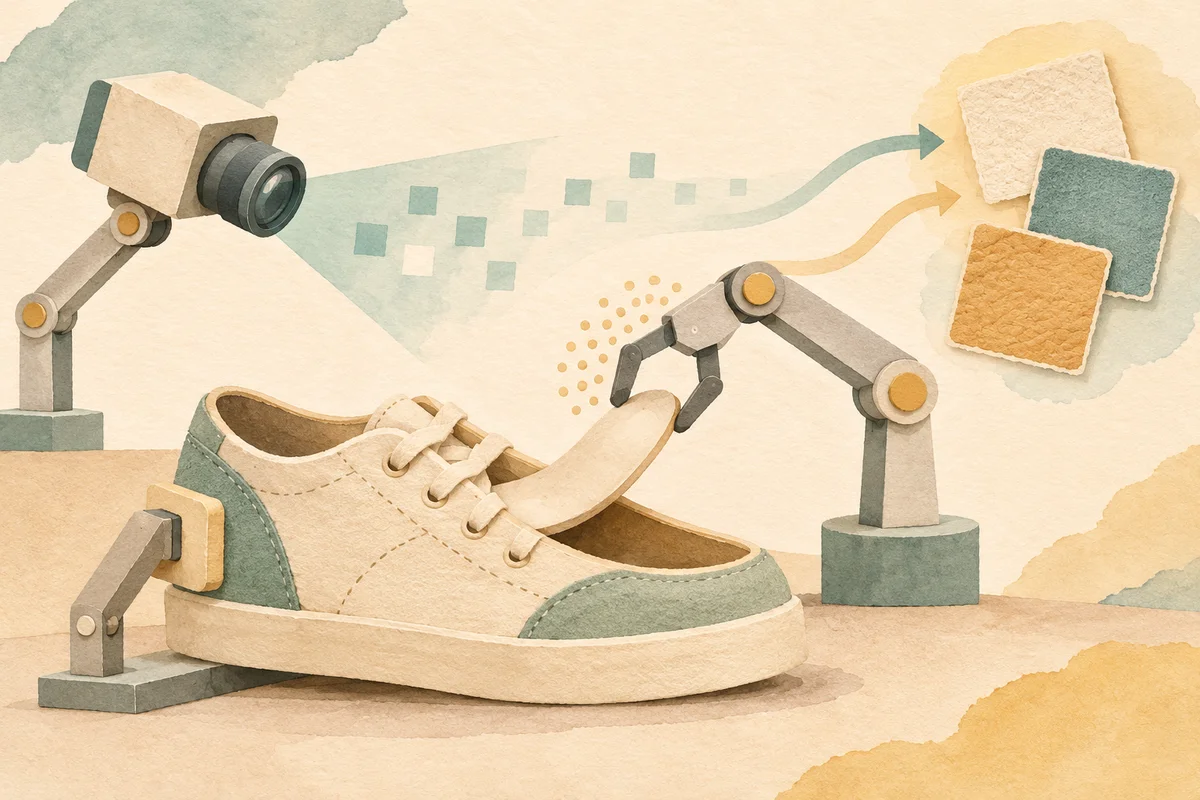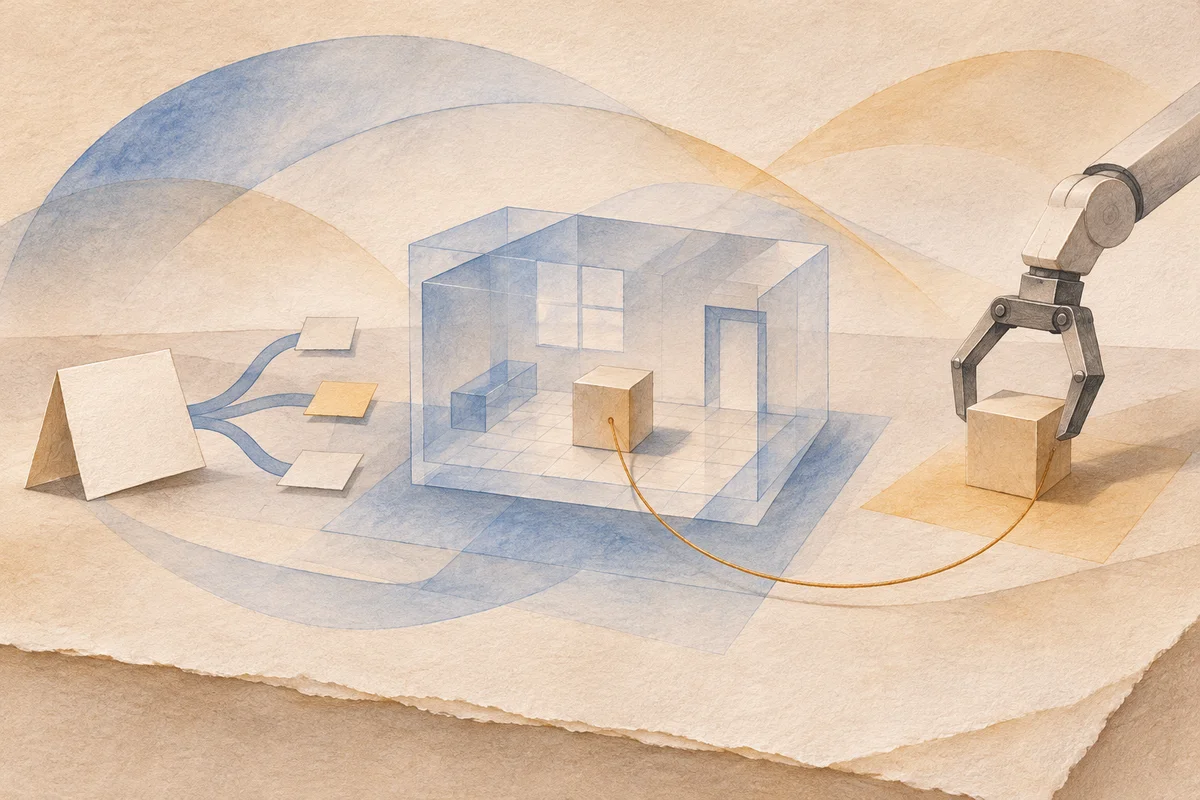
- The proposed framework separates task planning, world simulation and embodied feedback.
- The report explains an architecture; physical-world reliability has not been independently established.
Three roles in one framework
HiDream founder and CEO Mei Tao proposes bringing language models, multimodal world simulation and embodied action into a shared framework, according to a November 5 technical report by QbitAI. He presented the direction at a recent engineering-intelligence conference, whose exact event date is not specified in the stored report.
The report divides the proposed architecture into three parts. A language model interprets intent and plans tasks. A general world model simulates physical processes and possible consequences. An embodied-context component executes actions and returns observations to calibrate the model.
A research direction, not a demonstrated guarantee
Mei argues that language, multimodal and embodied-model development will eventually converge. QbitAI also describes HiDream's Unified Transformer approach as representing text, images, video, spatial information, poses, force and touch, and sensor inputs within one architecture.
These descriptions concern a proposed technical direction and the company's stated architecture. This report has not independently evaluated its models or verified physical-world prediction accuracy. The feedback loop offers a concrete account of how planning, simulation and observation could interact; it does not establish that reliable general-purpose embodied intelligence has been achieved.
Sources & context
Go to the original material. Company claims remain attributed to their sources.
01