- The laboratory reported a 12.8% tensile-strength improvement against its stated reference.
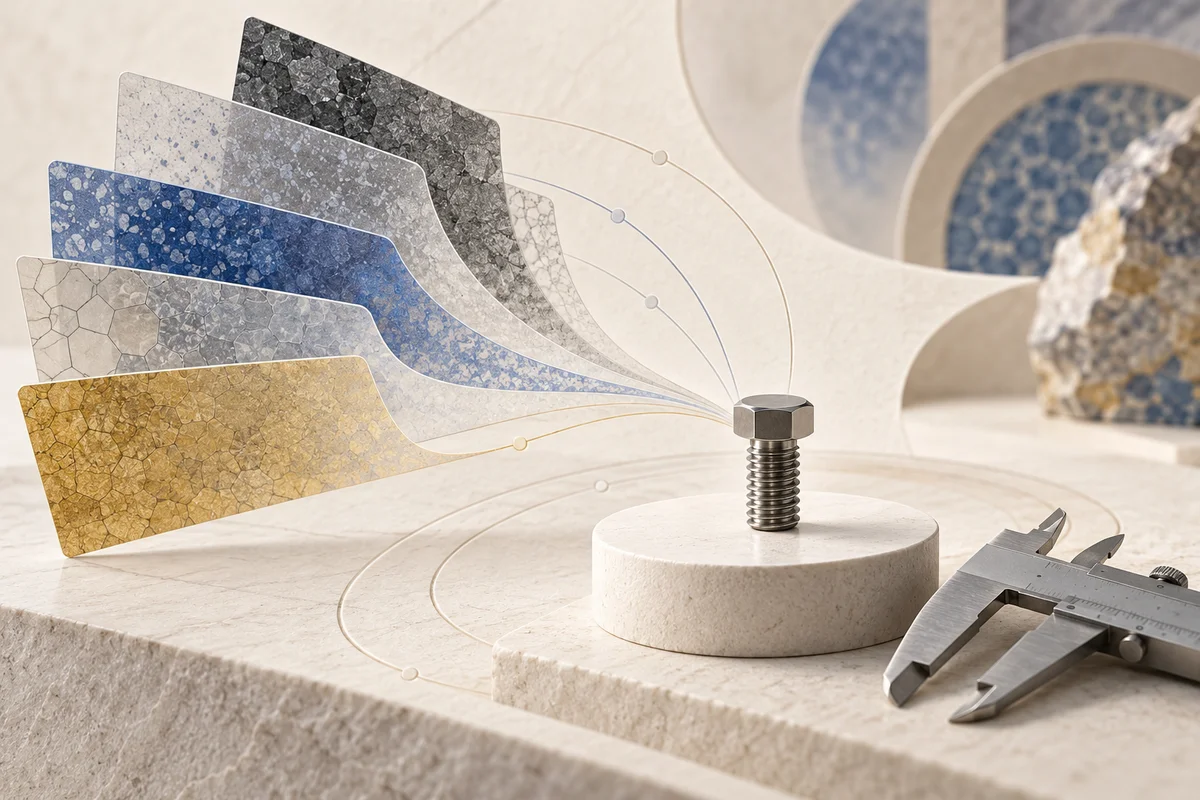
- AlloyEvo combines candidate design, model-based evaluation and reusable experience.
A reported materials result
Shanghai AI Lab reported on October 21 that its AlloyEvo alloy design system helped produce 3D-printed titanium alloy samples with tensile strength of 1,817 MPa and uniform elongation of 5%. The laboratory described the result as a 12.8% strength increase over a stated 1,611 MPa reference, with comparable uniform elongation.
The work involved the Chinese Academy of Sciences' Institute of Metal Research, Suzhou Laboratory and Shanghai Electric. The lab said selected designs progressed from repeated computational searches to one batch of physical samples. The figures are the team's reported results.
Design and accumulated experience
AlloyEvo links three components: AlloyDes generates candidate designs, AlloyLLM predicts properties and analyzes mechanisms, and AlloyExp records findings from previous searches. The laboratory says this allows later design rounds to reuse structured experience rather than start afresh.
The system has been integrated into the lab's Intern Discovery platform. Its announcement invites application partnerships and joint research, and identifies high-temperature alloys, specialty steels and rare-earth materials as possible future areas for the approach.
Sources & context
Go to the original material. Company claims remain attributed to their sources.
01