- RoboTechnik is offering 11.88 million H shares at up to HK$436 each, expecting approximately HK$4.96 billion in net proceeds after its September 29 Hong Kong listing.
- The company pivoted from photovoltaic automation to silicon photonics equipment after acquiring German photonics-equipment maker ficonTEC, with silicon photonics achieving 42.9% gross margin in H1 2026 versus 32.6% for photovoltaic solutions.
- H1 2026 revenue rose 144.8% year-on-year to 608.5 million yuan with a net profit of 6.6 million yuan, reversing a 33.3 million yuan loss in the same period last year.
- Forty percent of IPO proceeds are earmarked for silicon photonics production capacity expansion, with another 20% for R&D across both silicon photonics and photovoltaic equipment.
- Founder Dai Jun personally guaranteed that ficonTEC would deliver at least EUR58.1 million in cumulative net profit through 2027, with cash compensation due for any shortfall.
Dual Listing Finances Manufacturing Pivot
RoboTechnik Intelligent Technology, already traded on Shenzhen's ChiNext market under ticker 300757, will begin trading H shares on the Hong Kong Stock Exchange on September 29 under stock code 3757. The company is offering 11.88 million shares at a maximum price of HK$436 each, expecting approximately HK$4.96 billion in net proceeds after expenses, according to its Hong Kong prospectus.
The listing is structured as a dual listing rather than a debut, reflecting RoboTechnik's seven-year history as a public company in Shenzhen. Cornerstone investors have agreed to subscribe for a minimum of approximately 4.18 million shares, according to Dealroom.
Proceeds allocation reveals the company's strategic priorities. The largest share, 40%, targets expanded output and faster delivery of silicon photonics manufacturing equipment. A further 20% supports research spanning both silicon photonics and legacy photovoltaic lines, while the remainder covers potential deals, international service expansion and general operating needs.
From Solar Automation to Optical Interconnects
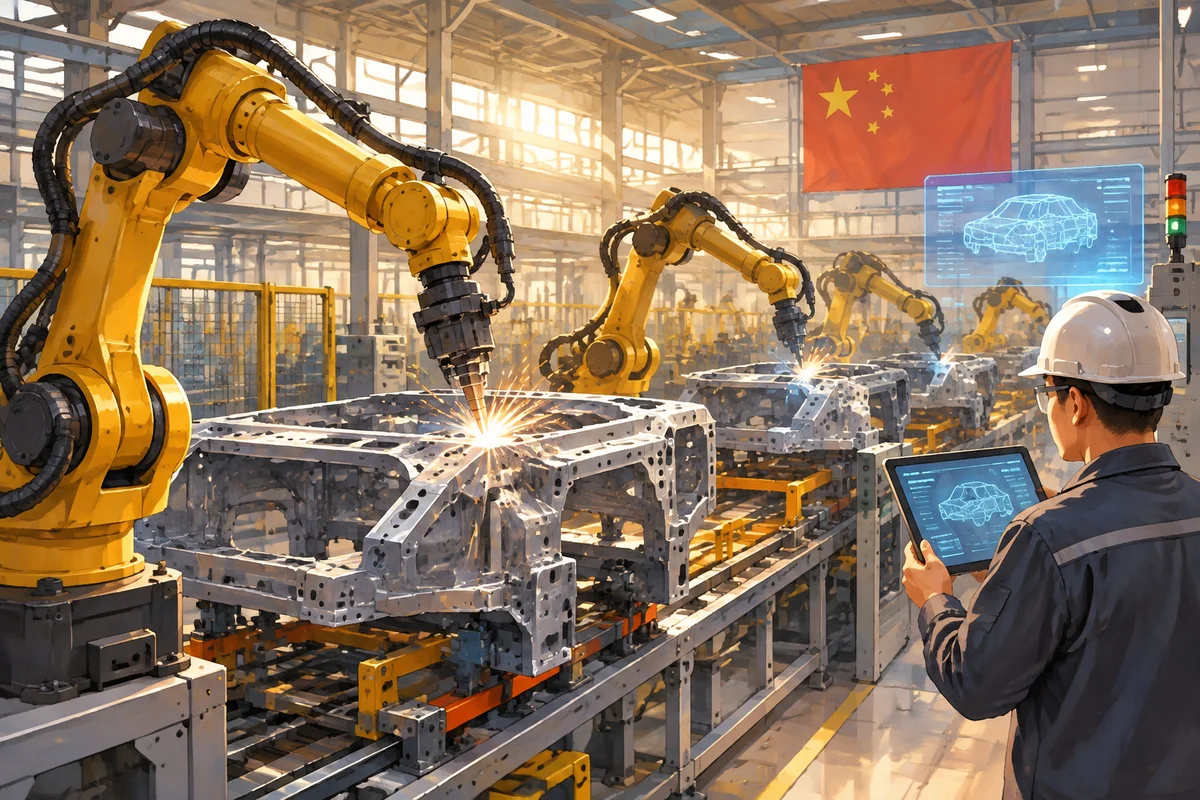
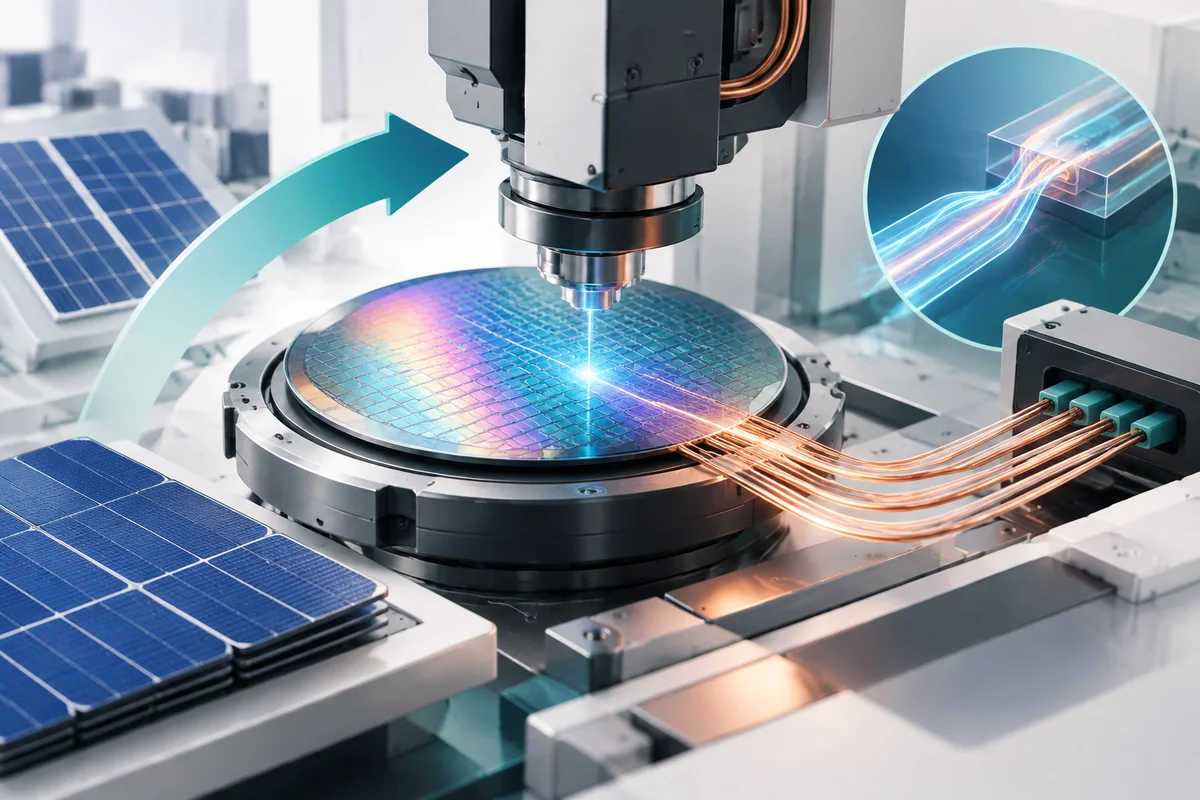
Founded in 2011 by Dai Jun in Suzhou, RoboTechnik originally supplied automation equipment for photovoltaic cell factories, specializing in loading, unloading and transporting delicate silicon wafers through processes such as diffusion, coating and etching. The company's identity has since shifted following its acquisition of ficonTEC Service GmbH, a German maker of automated assembly and test systems for photonic devices.
The ficonTEC relationship began with an investment agreement announced in December 2020, under which RoboTechnik provided financial resources to support ficonTEC's global expansion while gaining access to photonics packaging and testing technology accumulated over more than two decades. ficonTEC characterizes itself as the leading global provider of automated assembly and test systems for premium opto-electronic components and integrated photonic devices.
Silicon photonics equipment now generates higher margins than the legacy photovoltaic business. According to TechNode, citing the company's prospectus, silicon photonics equipment achieved a 42.9% gross margin in the first half of 2026, compared with 32.6% for photovoltaic solutions.
Financial Recovery After Integration Costs
RoboTechnik returned to profitability in the first half of 2026 after a difficult 2025. Asia Business Outlook reports that six-month revenue reached 608.5 million yuan, up 144.8% from the prior year, while the bottom line swung from a 33.3 million yuan deficit to a 6.6 million yuan gain.
The 2025 loss was attributed to fixed operating costs, financing expenses and amortization associated with the ficonTEC integration. Full-year 2025 revenue fell approximately 14%, partly reflecting weaker conditions in the photovoltaic equipment market, before the recovery accelerated in 2026.
Dai Jun has attached a personal performance guarantee to the acquisition. In a March 2025 commitment, he committed ficonTEC to delivering no less than EUR58.1 million in combined net profit across the three years through 2027, agreeing to pay cash if the target is missed, within a negotiated ceiling.
Scaling Precision Manufacturing for AI Infrastructure
The IPO tests whether expertise developed in one form of precision manufacturing can transfer to another. Silicon photonic devices require fibers, lasers and photonic chips to be aligned with extreme precision, bonded without disturbing that alignment and tested repeatedly during production. Designs that work in laboratories have limited value if they cannot be assembled reliably at volume.
RoboTechnik's pitch to international investors is that its background in high-speed, high-accuracy automation for solar wafer handling provides a foundation for industrializing silicon photonics assembly. The company now operates in both China and Germany, serving customers in telecommunications, data communications and photovoltaic manufacturing.
Risks remain. Silicon photonics commercial momentum depends on the investment plans of a small number of chip and cloud companies. Technical standards for co-packaged optics and optical switching can change, and equipment validated during pilot programs may need redesign before mass production. The company must also manage integration of its German subsidiary while continuing to deliver machines to customers that cannot tolerate errors.
Sources & context
Go to the original material. Company claims remain attributed to their sources.
01