Xiaomi identified tool-call repetition as a significant user-experience issue following the MiMo-V2.6 release, with internal evaluations showing response-level repetition rates exceeding 0.05%. After tracing the problem to reinforcement-learning training dynamics where a per-turn flooding penalty threshold proved too permissive, the company adopted Multi-teacher On-Policy Distillation (MOPD), a targeted fix that reduced replay repetition to zero at a training cost of approximately $90,000—about 4% of the estimated MixRL alternative. Updated checkpoints have been available via Xiaomi's API since September 25, and the company announced a quota reset for all MiMo Desktop users.
Chinese AI models now account for 57-67% of tokens on OpenRouter and 55% on Vercel, up sharply from single-digit shares earlier in 2026, driven by cost-effectiveness and improved coding capabilities. The surge is drawing scrutiny from two U.S. House committees investigating national security implications.
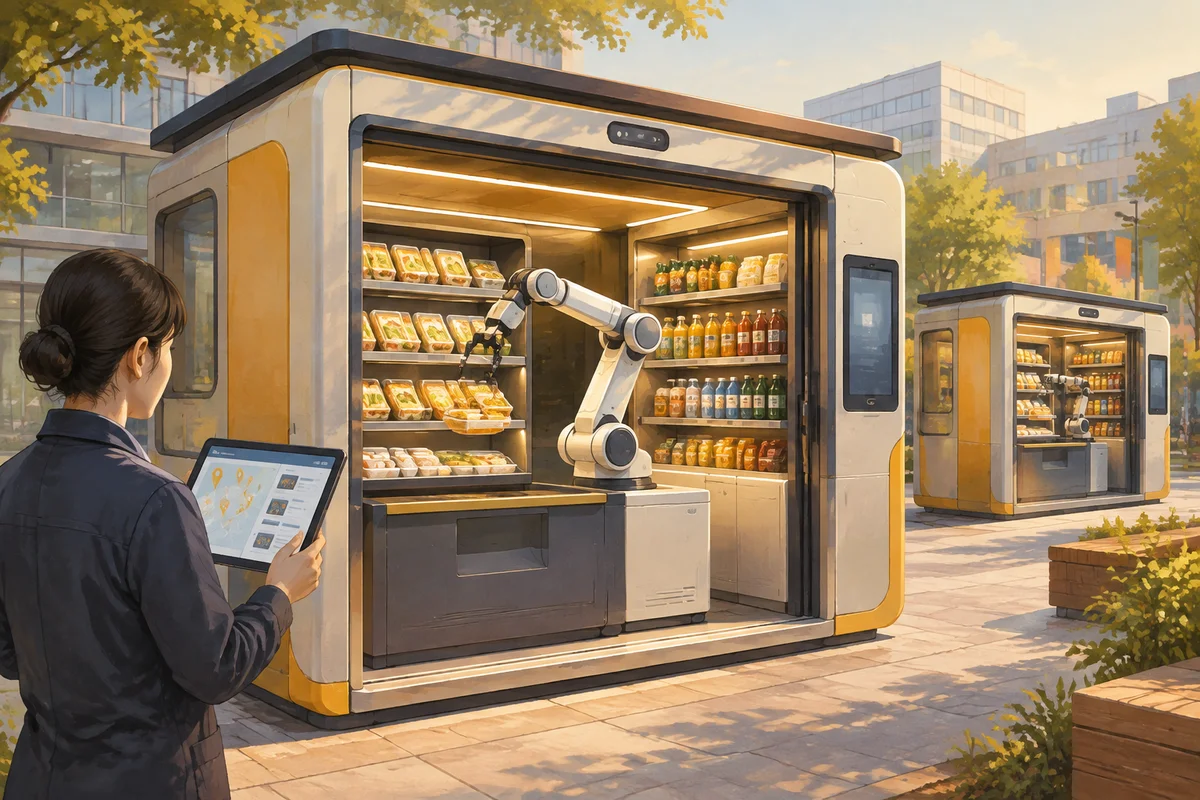
SenseTime subsidiary Shanhui is scaling its Shaomai Go autonomous robot retail stores across Shanghai and other Chinese cities, targeting over 100 self-operated and partner outlets by year-end. The stores run on SenseMart OS, a retail physical operating system that reduces new skill learning to one week and enables one staff member to manage three to five locations. Early deployments show revenue doubling when a second store opens nearby, suggesting unmet demand for automated retail services.
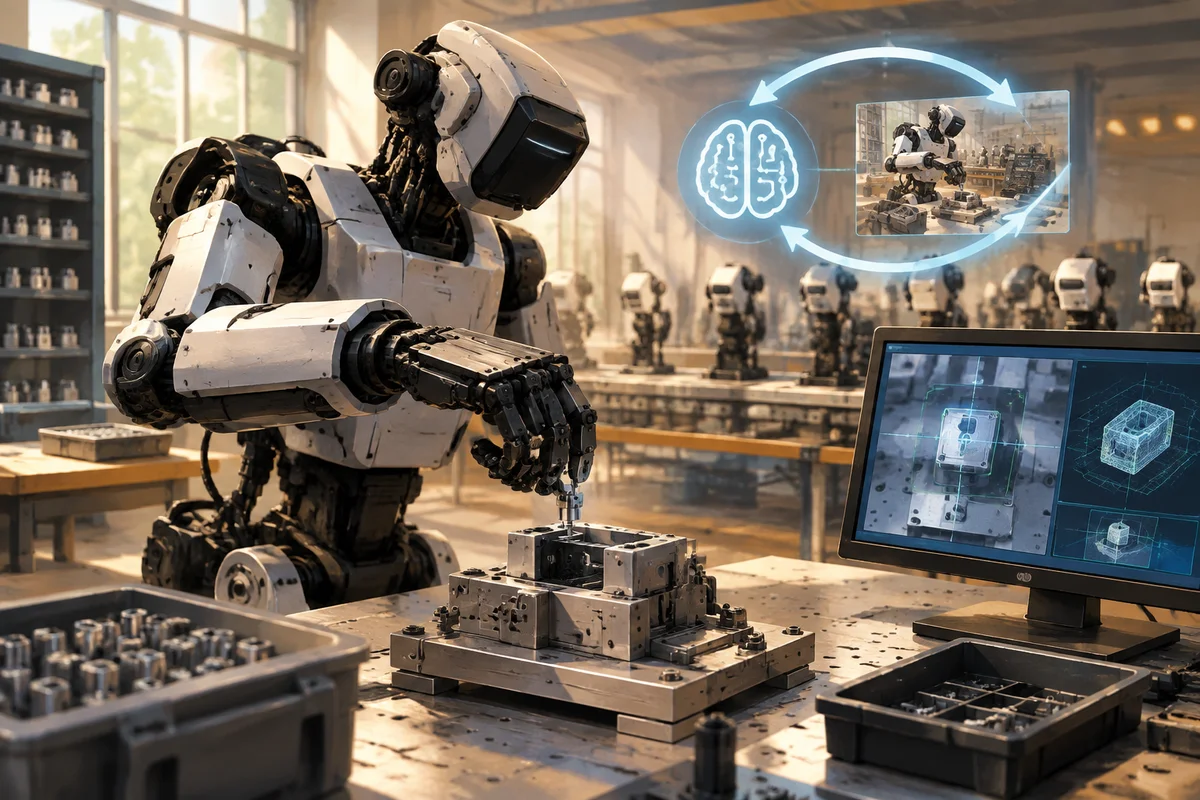
At the 5th Global Digital Trade Expo in Hangzhou, Unitree founder Wang Xingxing argued that the fundamental obstacle for embodied AI is closing the millimeter-level gap between AI model outputs and physical-world execution. He proposed an AI-autonomous testing loop to replace manual iteration and predicted an industry inflection point when robots can complete 80% of tasks in 80% of unfamiliar environments.
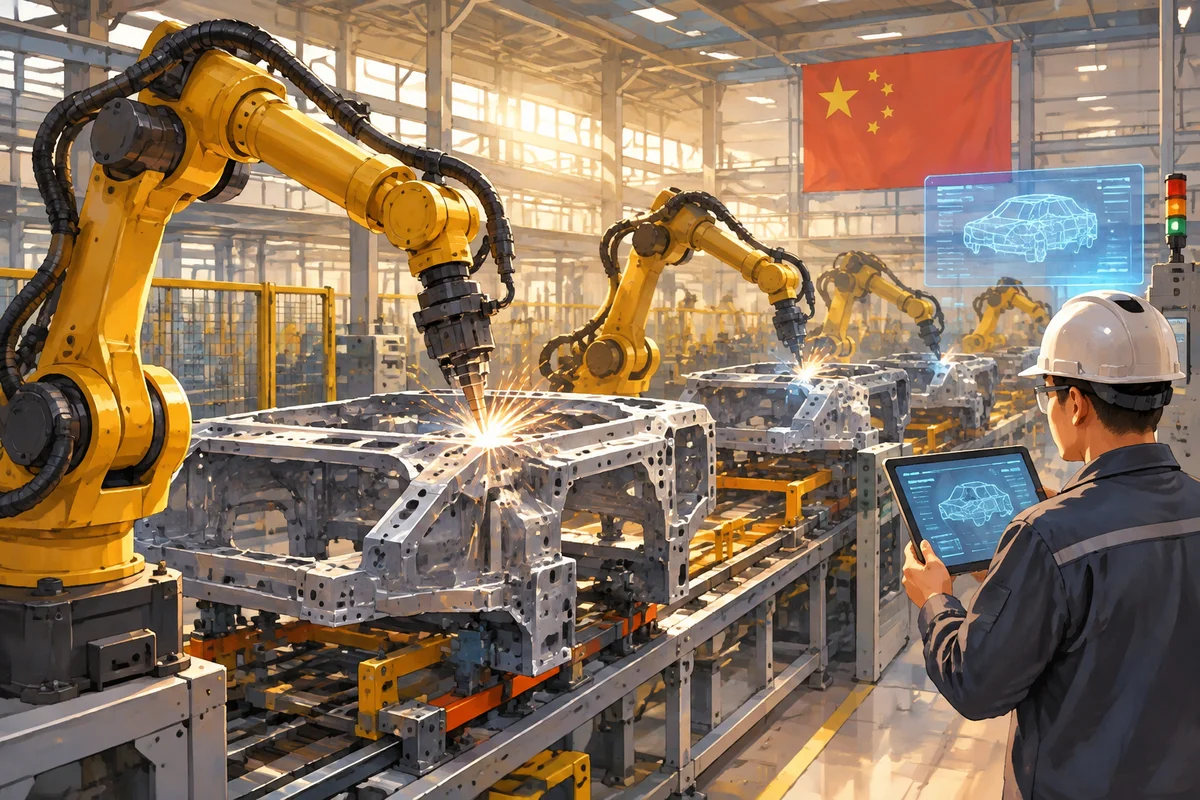
The International Federation of Robotics reports China deployed 354,000 industrial robots in 2025, a record accounting for 59% of global installations. IFR Secretary General Susanne Bieler highlighted physical AI as the next growth driver for China's robotics industry.
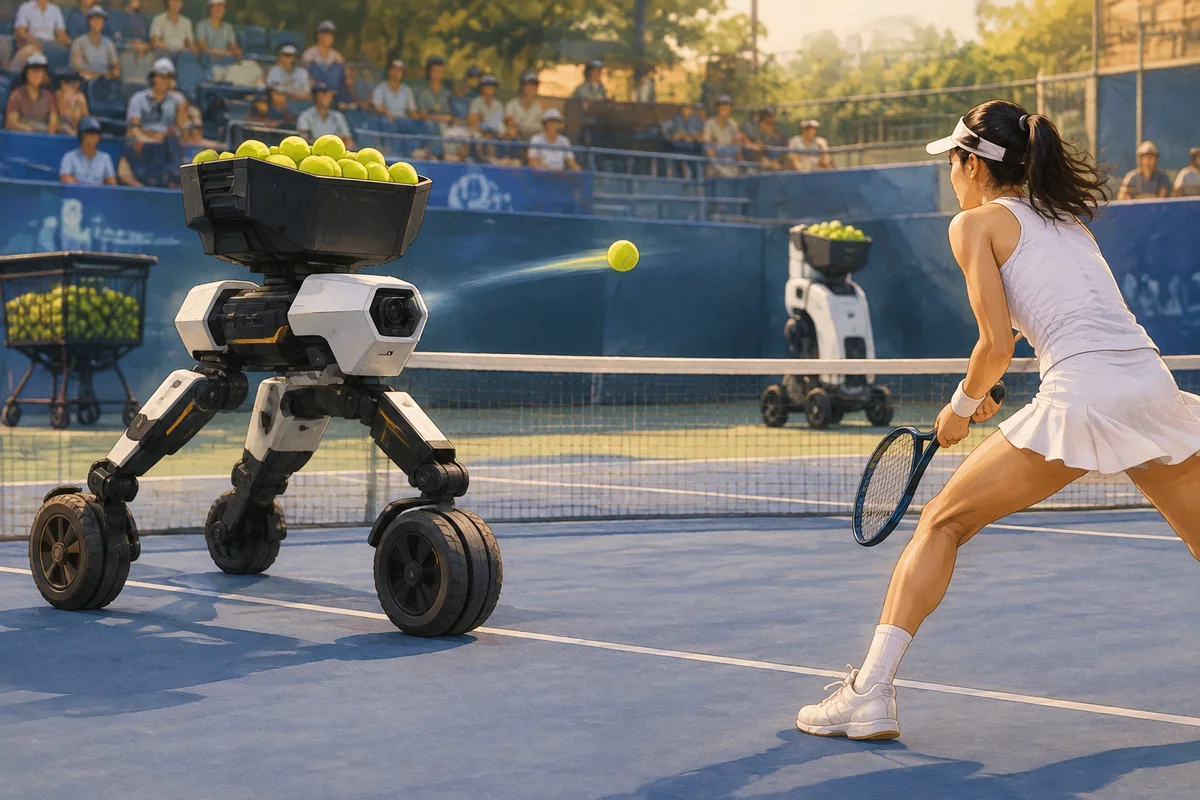
A Shenzhen-built AI tennis robot rallied live with a professional player at the Billie Jean King Cup Finals, while fellow Shenzhen firm Woan Robot signed on as the first tennis training robot selected for the China Open, together marking a shift from traditional ball machines to embodied-intelligence systems in competitive settings.